Save 20% on Select Mahjong Sets with code MAHJ20|
Save 10% on All Hybrid Mattresses and Bean Bags with code CORD10|
Save 10% on Saranoni Purchases over $99 with code SUMMER
Free Shipping on all Bean Bags & Mattresses and Saranoni Purchases of $99+
Shop a complete Mahjong setup for home or travel, then use the guides and interactive tools below to compare what you need and get more from every game.
Deal a 13-tile rack, draw a 14th tile, select a discard, and compare the closest original practice directions. Use the visual combination library below for more focused study.
Live hand practice
Practice A Real 13-Tile Rack
The trainer deals 13 tiles, updates its suggested practice directions after every draw, and lets you select and discard one tile to return to 13.
13 TILES
Live hand advisor
Suggested Pattern Directions
Draw one tile to receive a discard recommendation.
The suggestions are original pattern-recognition exercises. They do not reproduce an official National Mah Jongg League card or replace the current card used at your table.
Visual combination library
Filter Practice Patterns
Choose a focus, number of suits, and skill level. Every combination is shown with actual tile images.
24 original practice combinations included.
Visual examples
Showing Recommended Combinations
These are original teaching examples, not official card hands. Use the current card selected by your group during actual play.
Shop by category
Find The Right Mahjong Setup
Choose the pieces you need now, then add coordinating mats, racks, storage, and travel options when you are ready.
New players get the true ABCs and 123s. Regular players can skip straight to visual combinations and strategy filters.
Start here
Mahjong ABCs & 123s
This is the no-assumed-knowledge version: what the tiles are, what the words mean, and what actually happens during a game.
The Three Numbered Suits
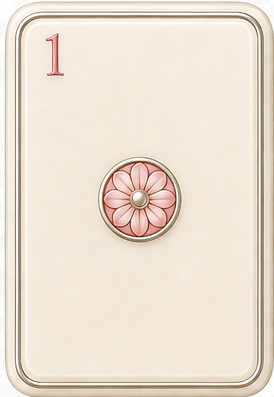
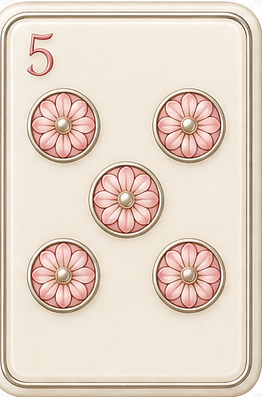
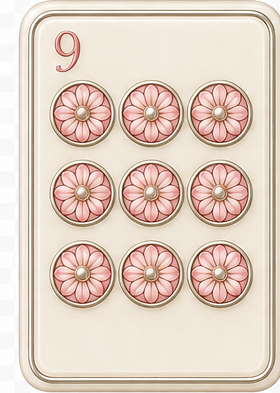
1 Dot5 Dot9 Dot
Dots, also called circles, are numbered 1 through 9.
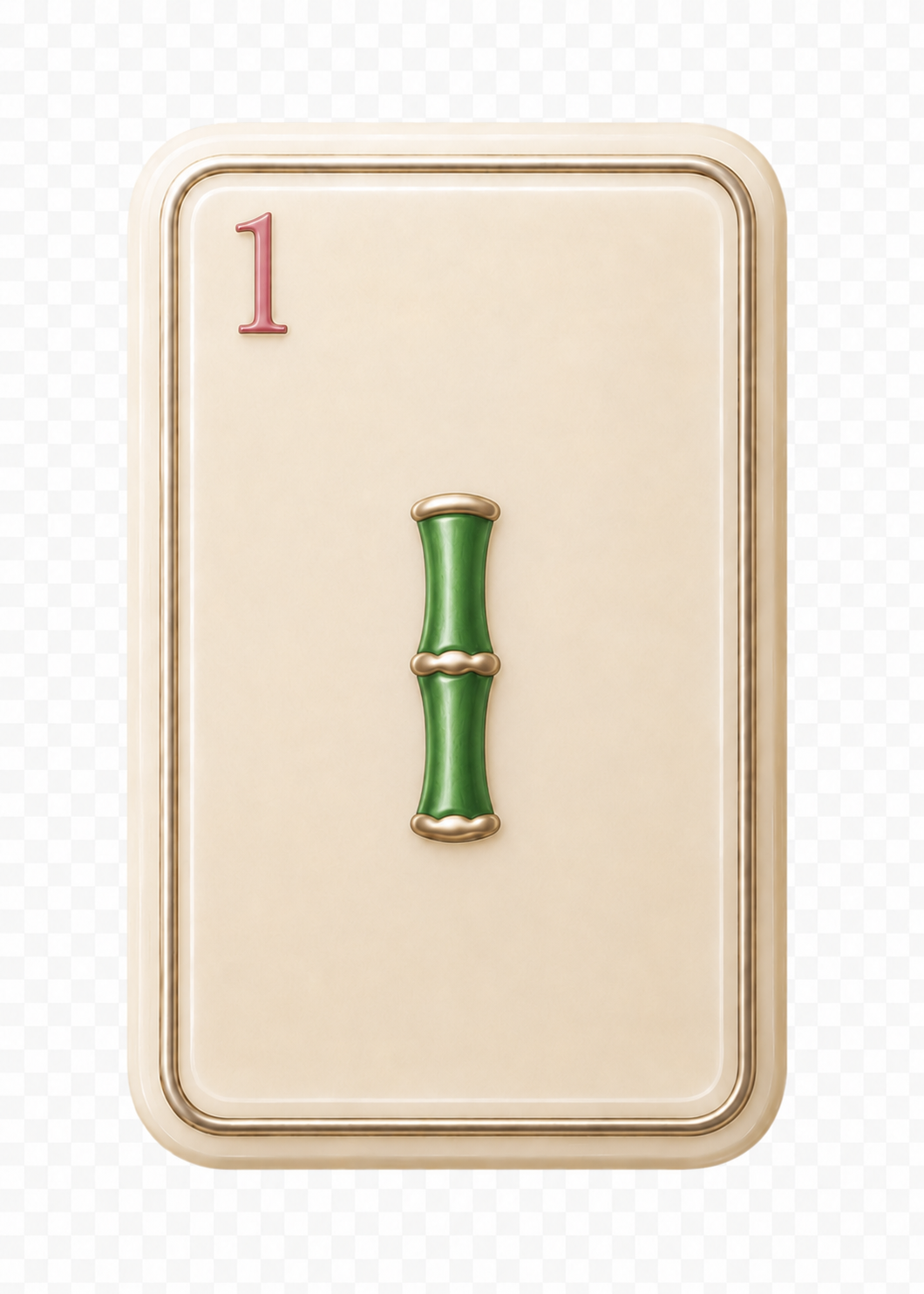
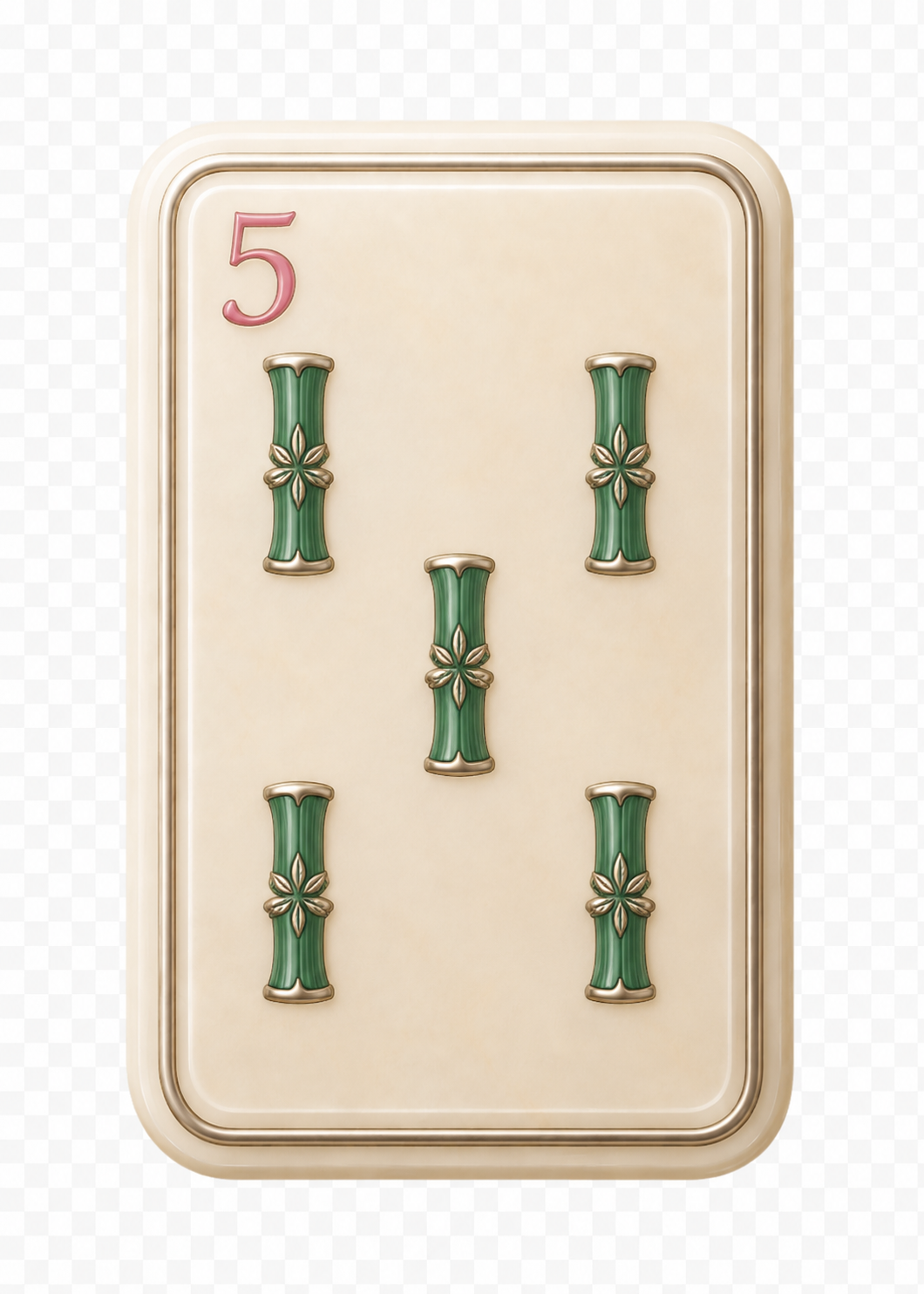
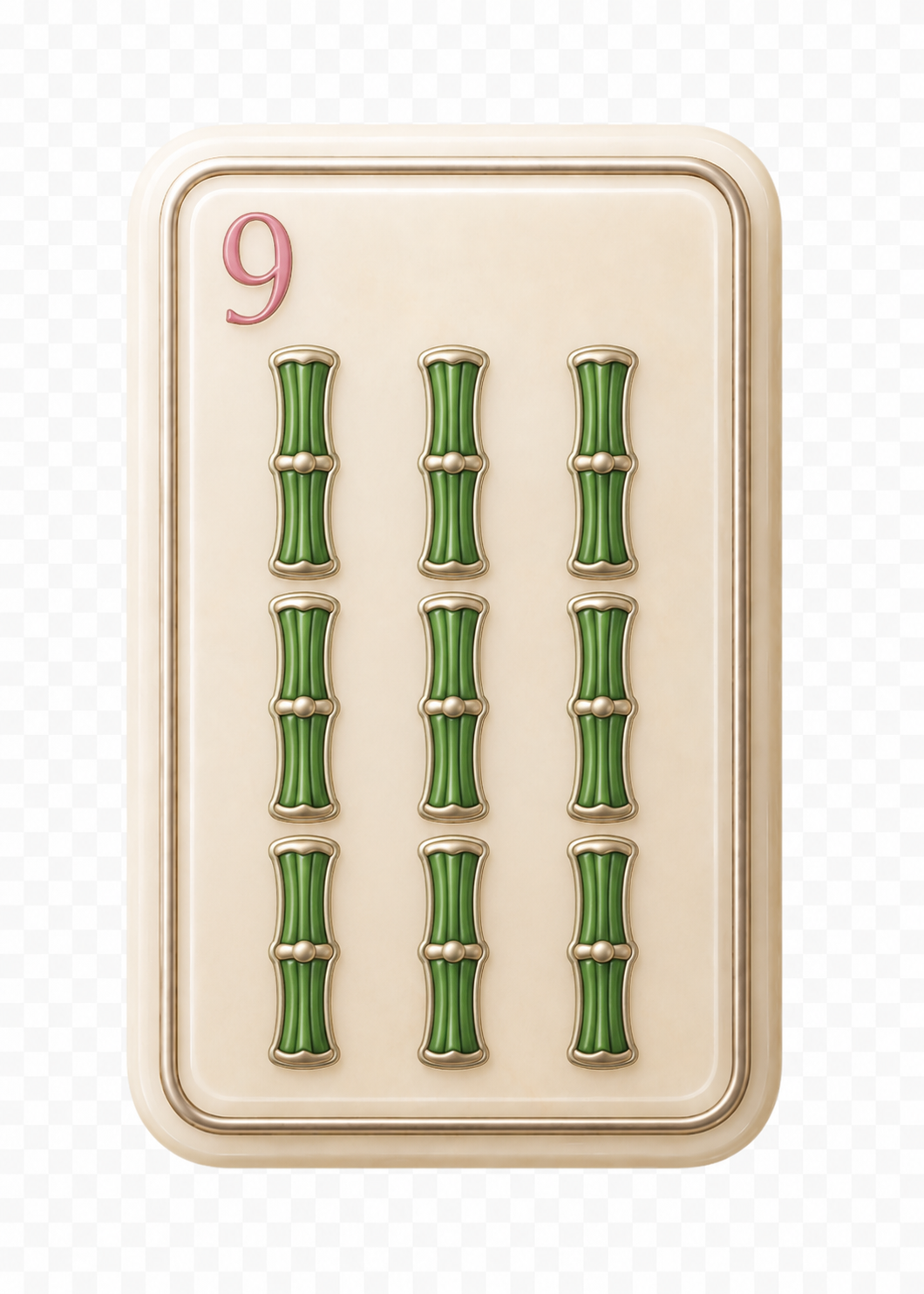
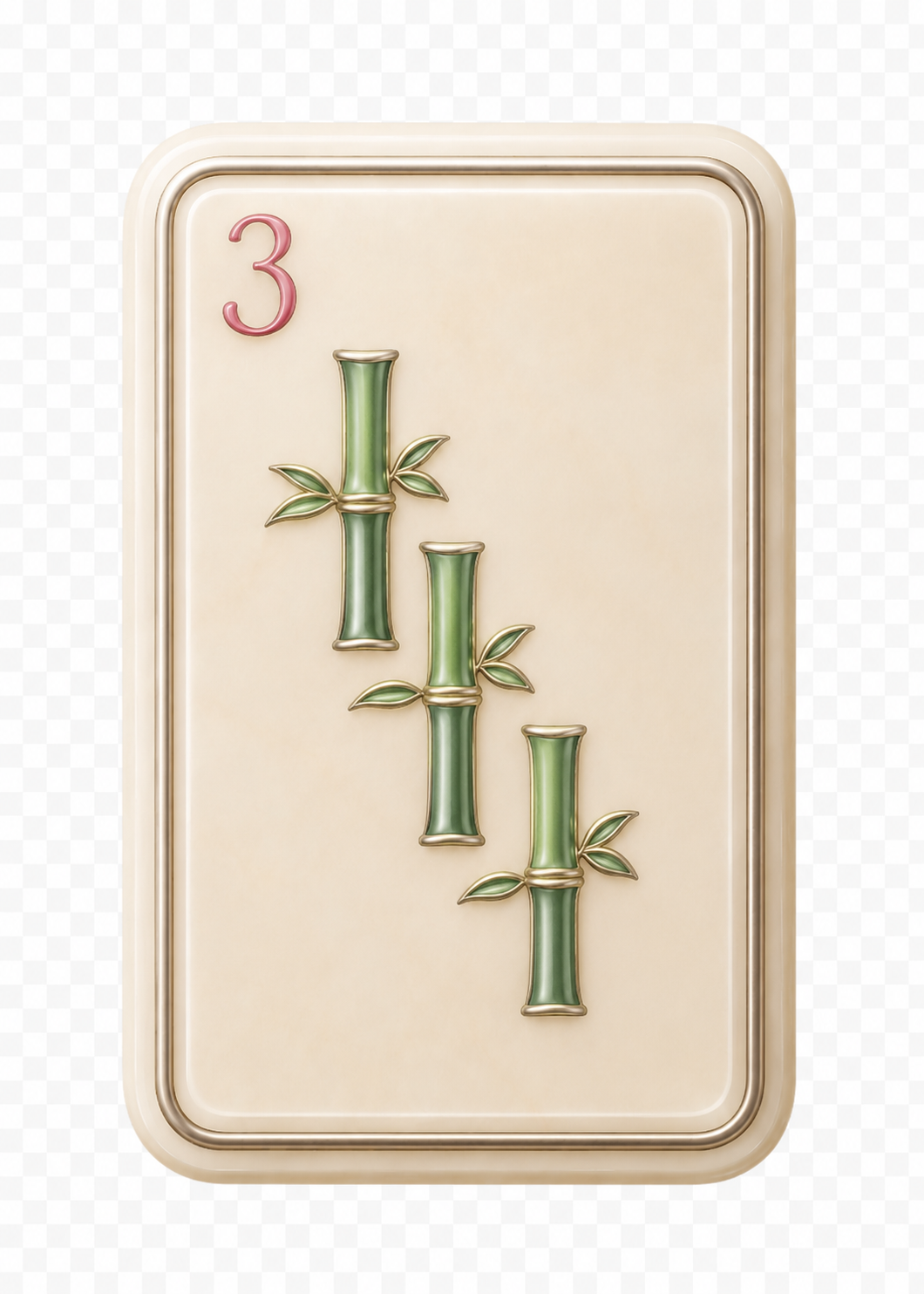
1 Bam5 Bam9 Bam
Bam tiles, short for bamboo, are numbered 1 through 9.
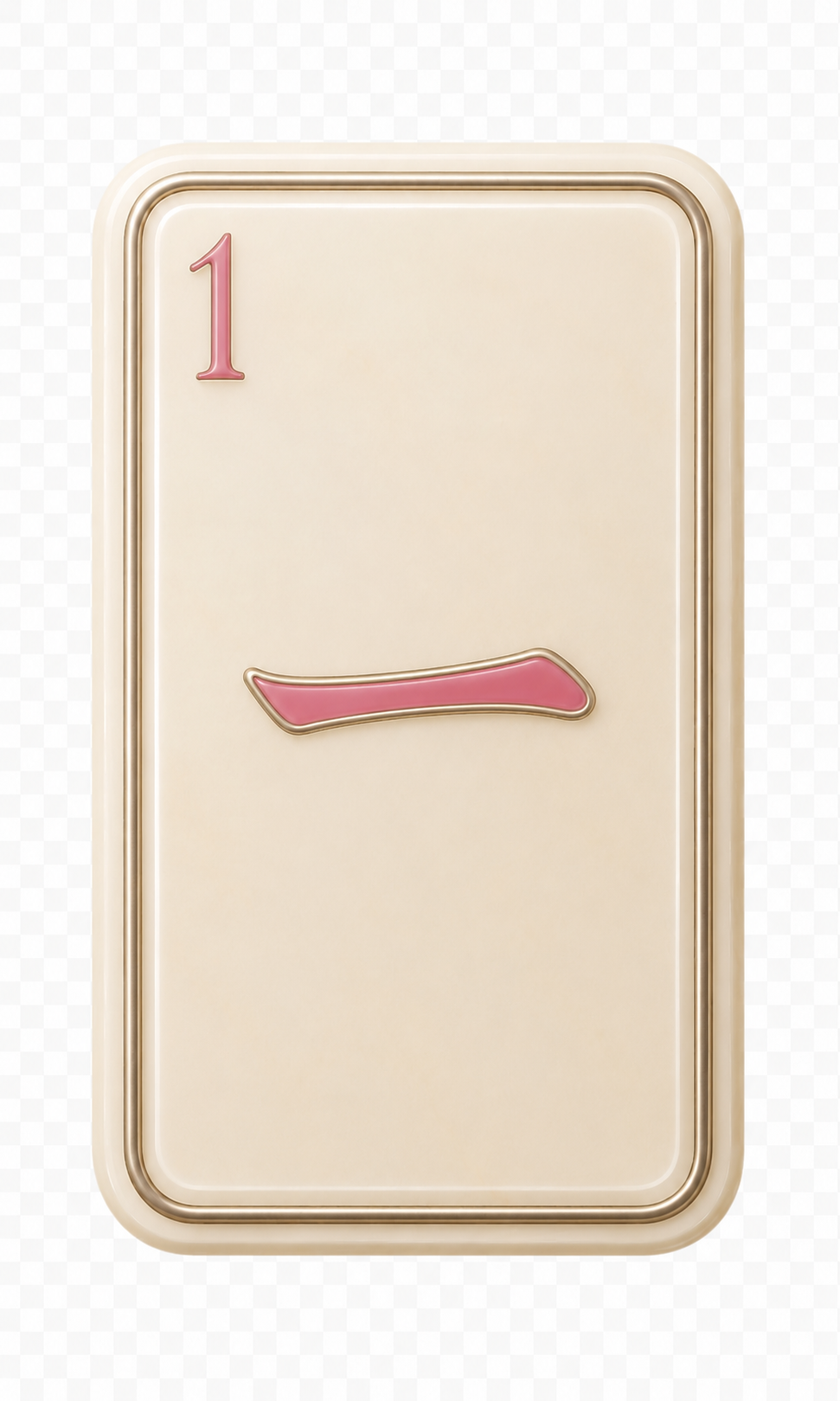
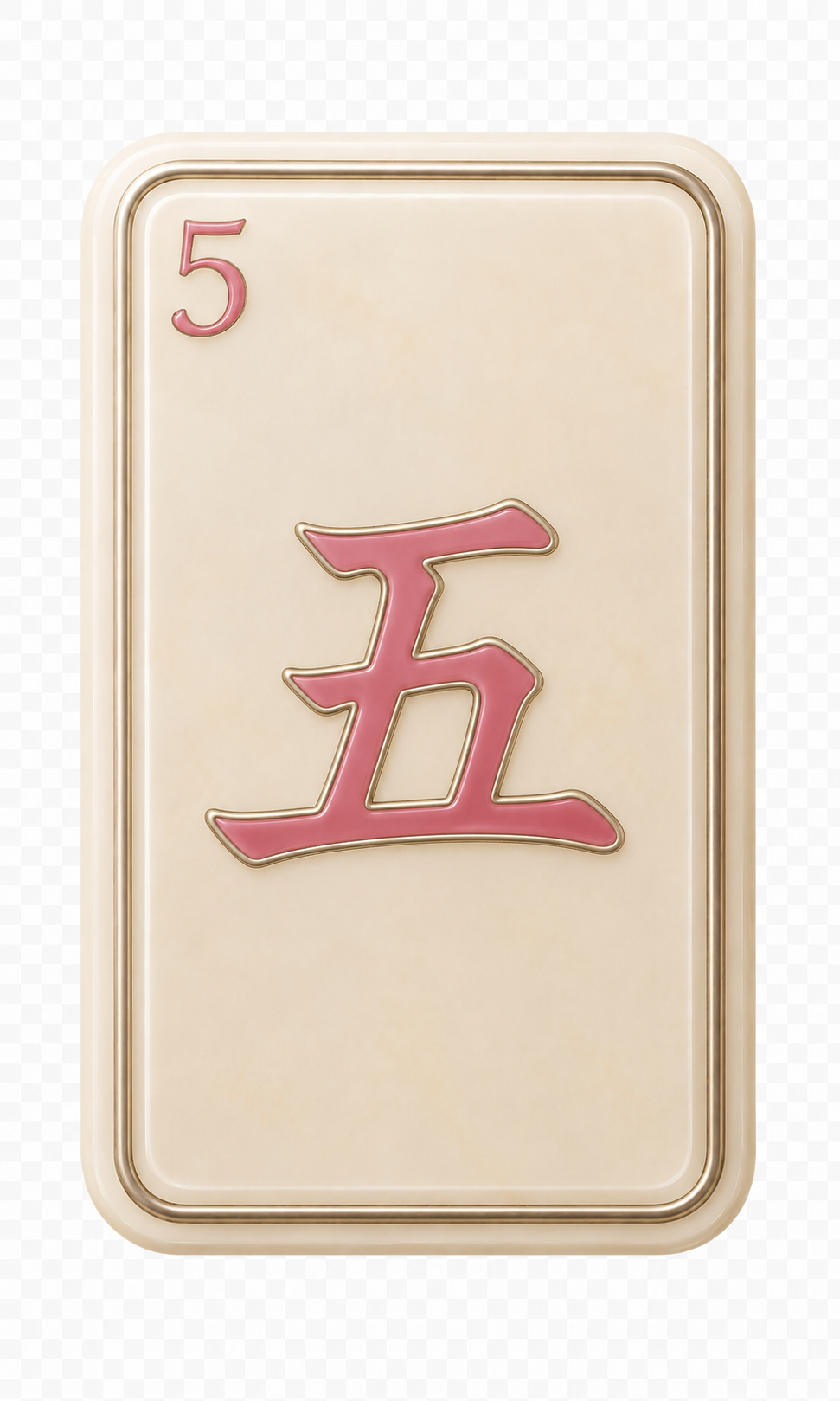
1 Crak5 Crak9 Crak
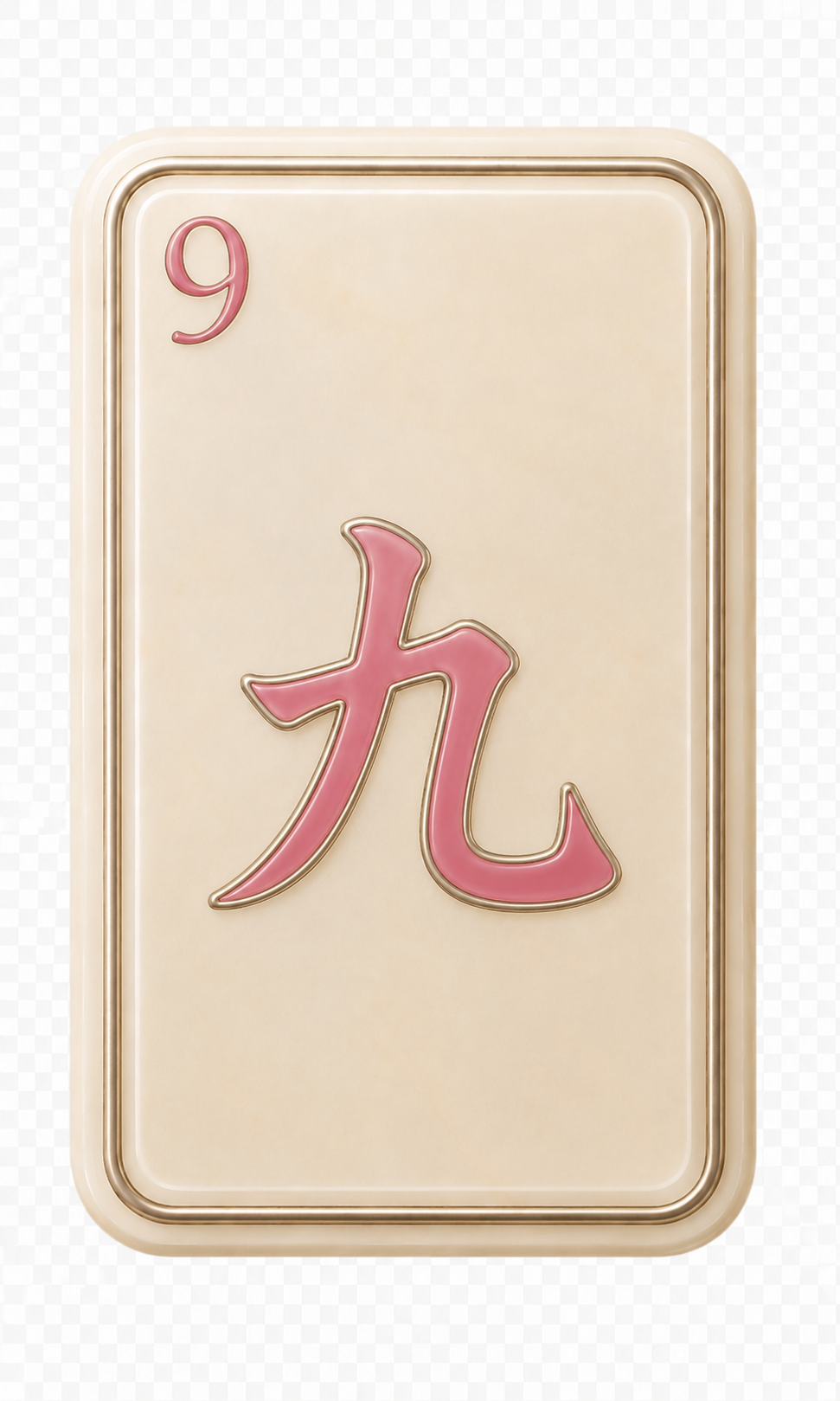
Crak tiles, short for characters, are numbered 1 through 9.
Winds, Dragons, Flowers & Jokers
East WindSouth WindWest WindNorth Wind
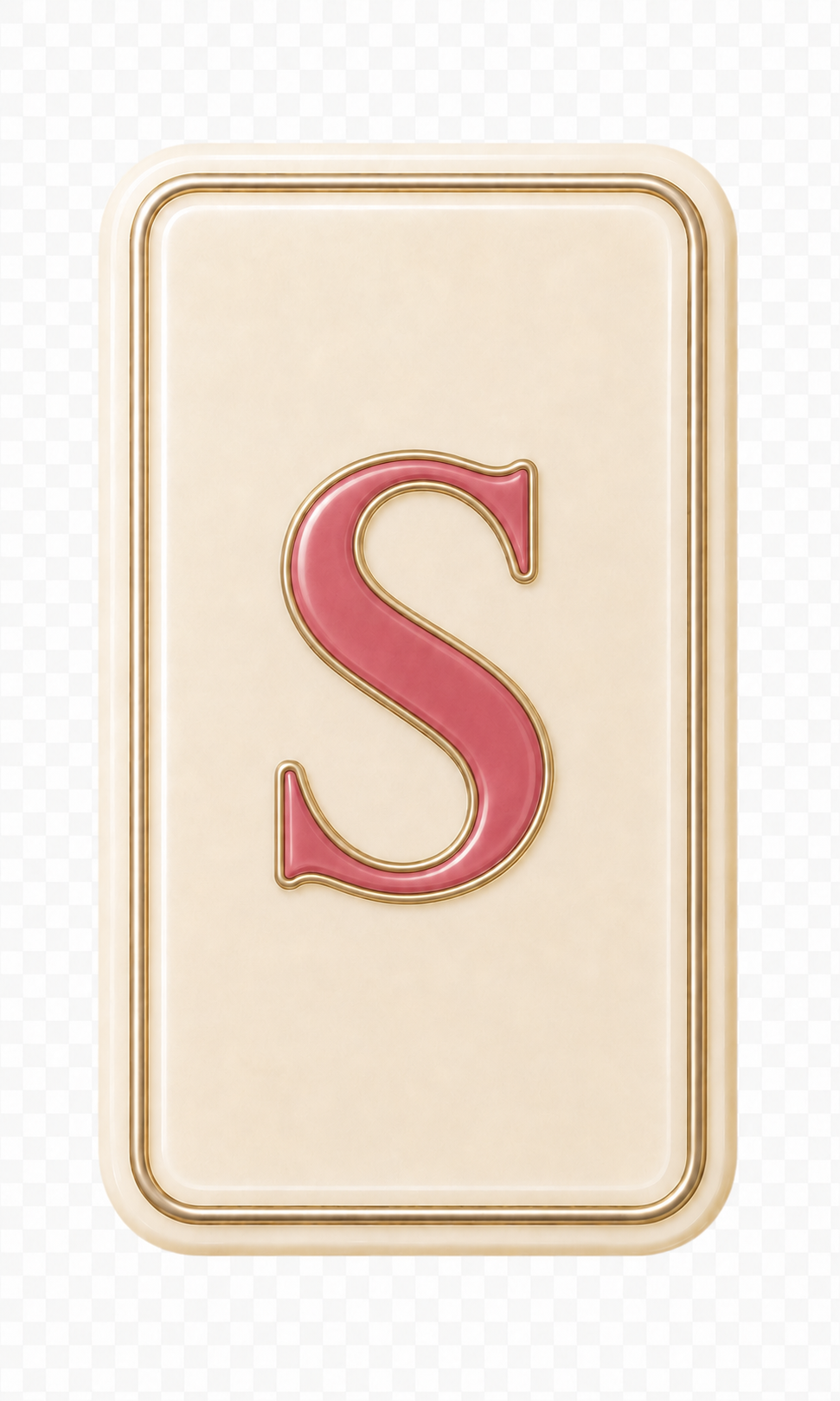
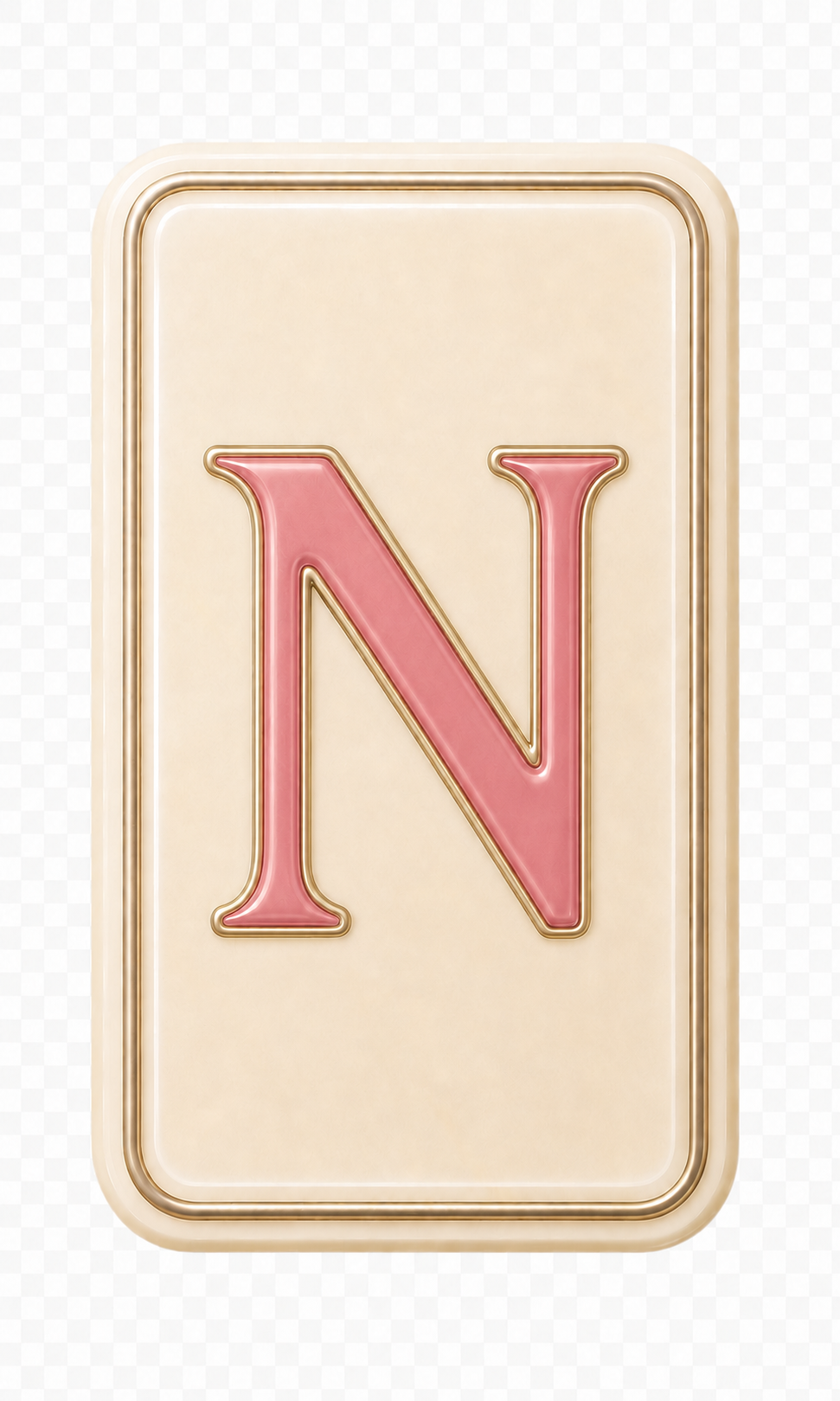
Winds are East, South, West, and North. They are not numbered suits.
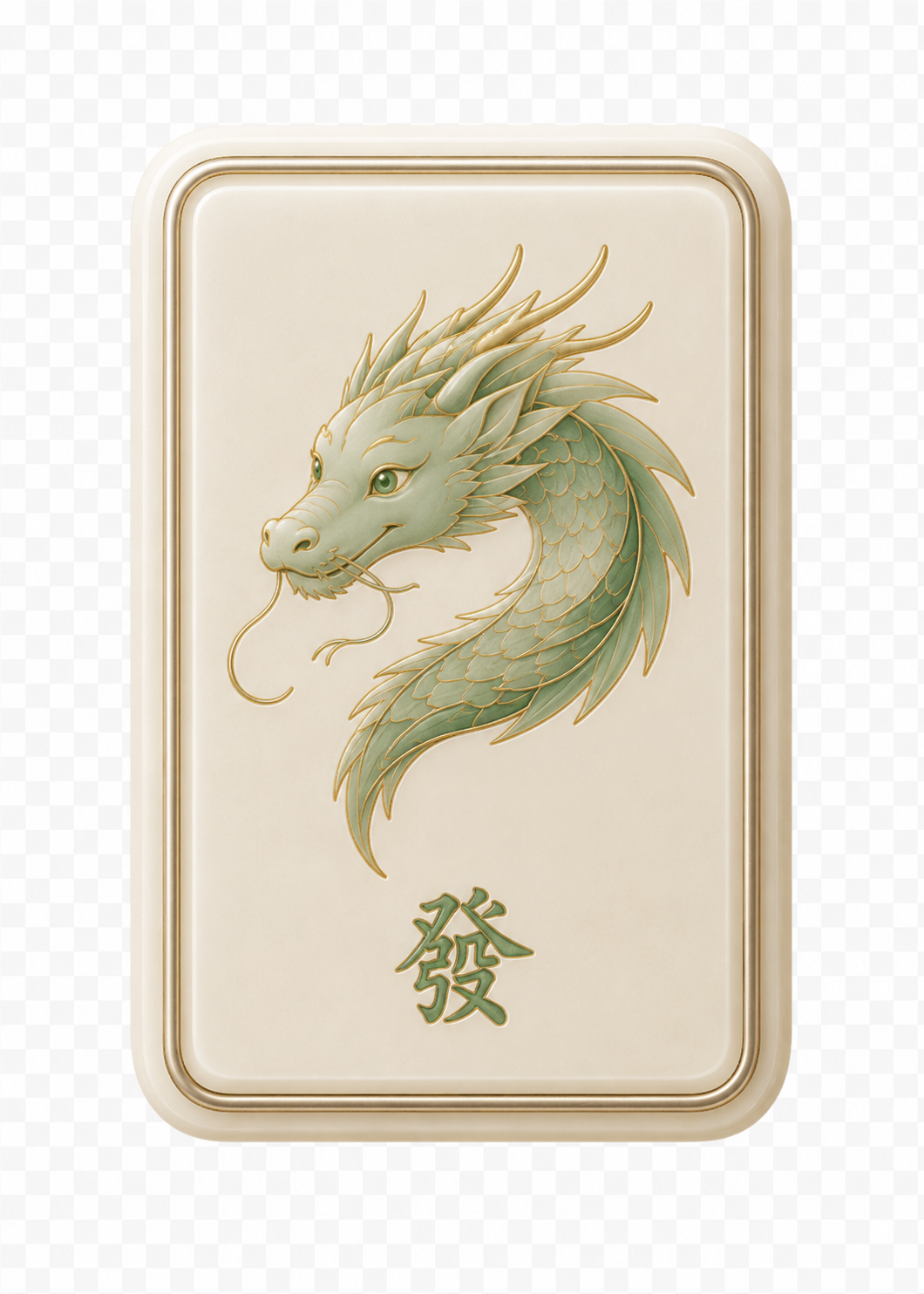
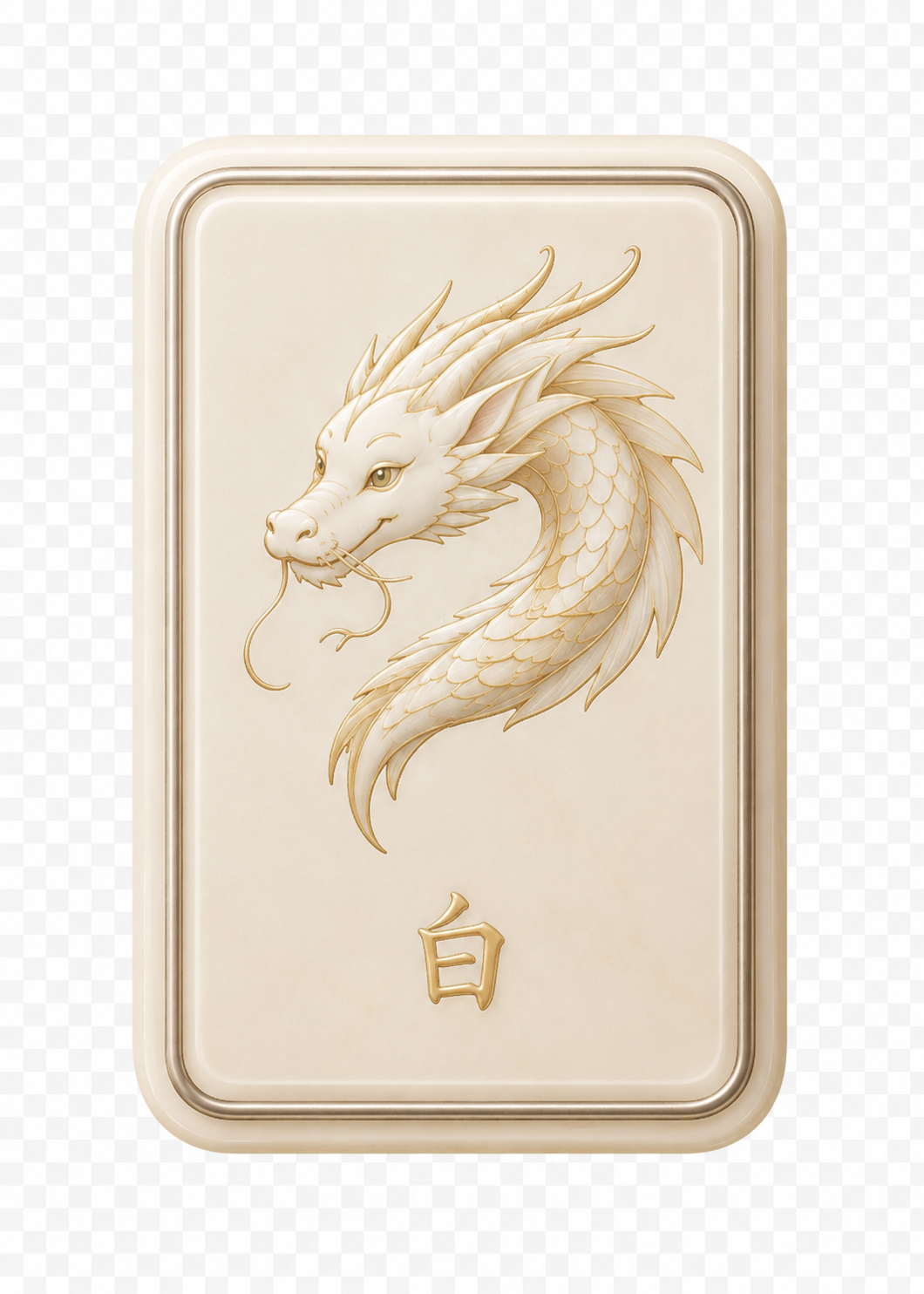
Red DragonGreen DragonWhite Dragon
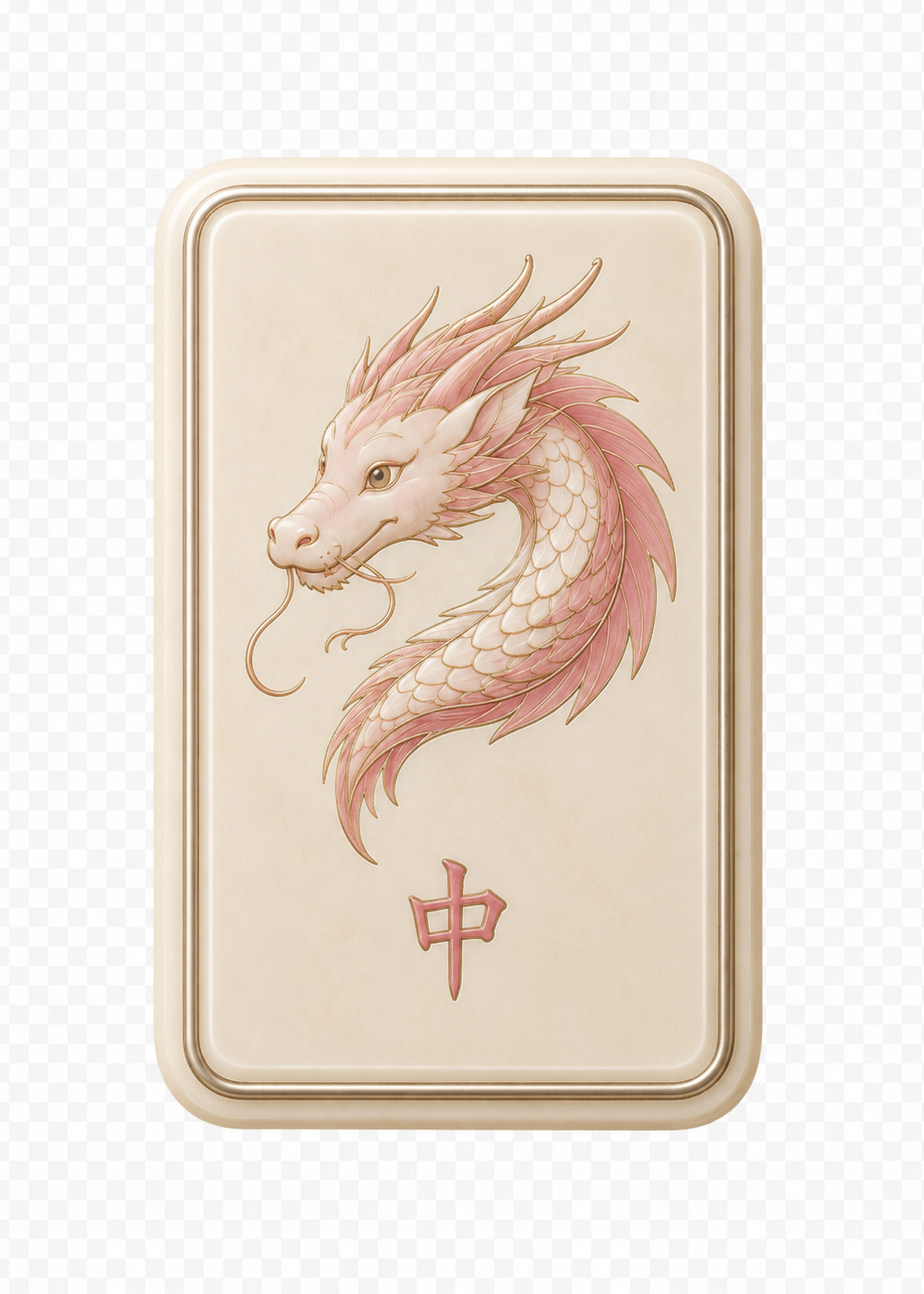
Dragons are red, green, and white. The white dragon is often called “soap.”
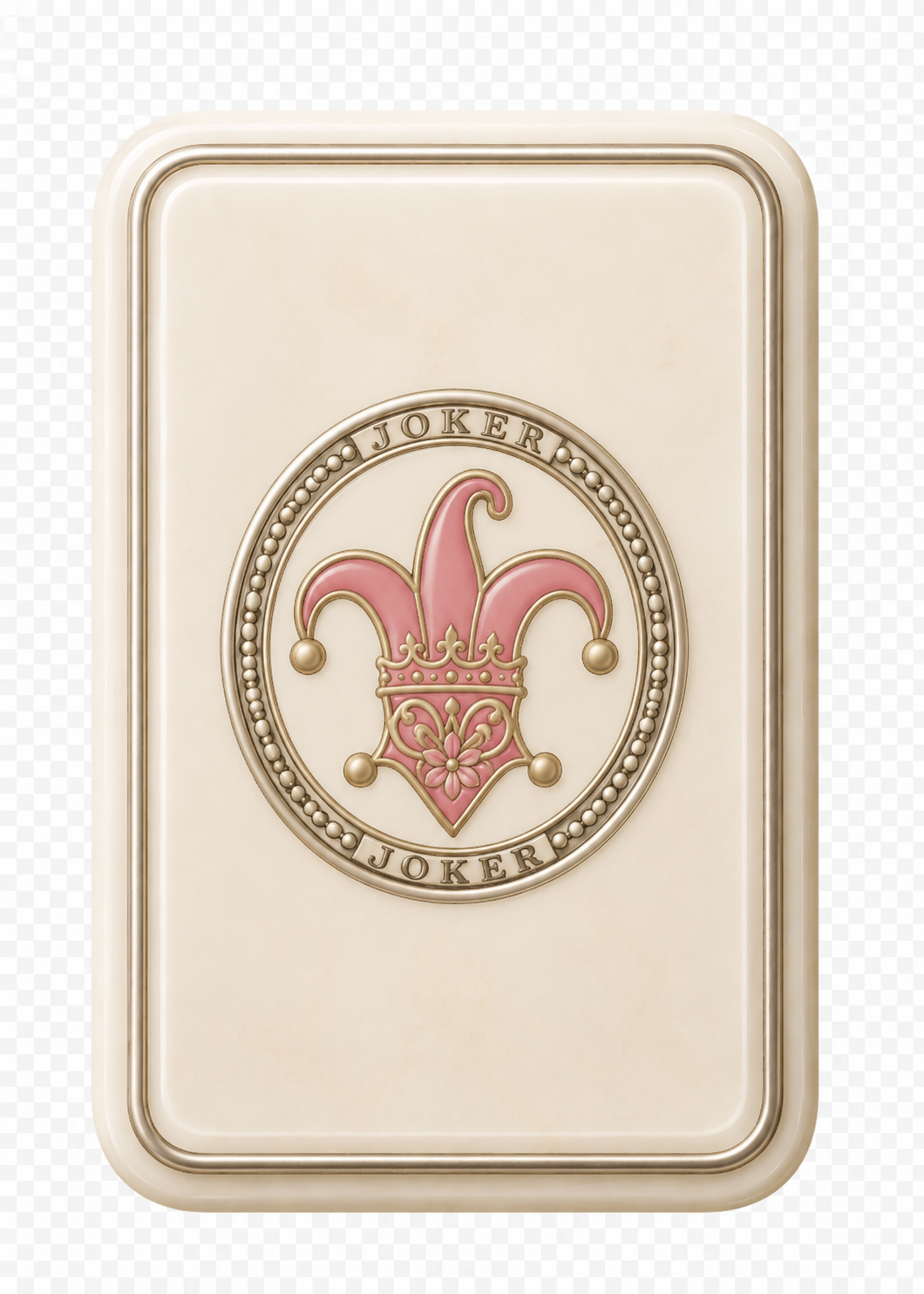
FlowerJoker
Flowers are special tiles. Jokers may substitute in certain groups, but not singles or pairs.
How groups are named
Pair, Pung, Kong & Quint
Pair
Two identical tiles.
Pung
Three identical tiles.
Kong
Four identical tiles.
Quint
Five identical tiles. A joker is normally needed because only four natural copies exist.
A game from start to finish
Six Simple Steps
01
Learn The Tile Families
First separate Dot, Bam, and Crak tiles from winds, dragons, flowers, and jokers. You do not need to memorize winning hands yet.
02
Sort Your Rack
Place each suit in number order. Keep pairs and repeated numbers together so possible directions are easier to see.
03
Use The Card Like A Recipe
The current American Mahjong card lists the exact combinations that can win. Pick a line your rack is naturally moving toward instead of forcing one immediately.
04
Pass During The Charleston
Before normal play, players pass groups of three unwanted tiles according to the table’s Charleston sequence. Protect useful pairs and connected groups.
05
Draw One, Discard One
On a normal turn, draw a tile, decide whether it helps, and discard one tile. Watch what other players discard and expose.
06
Match One Line Exactly
A winning hand contains 14 tiles arranged exactly like one line on the card being used. When complete, call “Mahjong.”
Common words at the table
Mahjong Terms In Plain English
Rack
The holder that keeps your tiles standing and organized.
Wall
The stacked rows of face-down tiles players draw from.
Charleston
The opening exchange in which players pass groups of three tiles before normal turns begin.
Exposure
A completed group placed face-up after calling another player’s discard.
Concealed
A hand played without calling discards for exposures, except when allowed to claim the winning tile.
Joker Swap
Replacing a joker in an exposed group with the exact natural tile it represents.
Call
Taking another player’s discard because it completes a legal exposed group or wins the hand.
Mahjong
The declaration made when your tiles exactly complete a winning hand on the card being used.
Ready to build a starter setup?
Begin With Tiles, Racks And A Mat
A beginner does not need every accessory on day one. Start with the pieces that make the game playable and comfortable.
Keep the page focused on Mahjong pieces, patterns, and practical play instead of random stock photos.
Better game nights
Practical Mahjong Details
No candy photos, no random stock people. Just tile-focused tips that support the shopping and learning sections.
Allow Enough Table Space
Every player needs room for a rack, card, drink, and comfortable tile movement.
Protect The Tiles
Keep food and drinks away from the rack area so the set stays clean and easier to handle.
Learn At A Patient Table
Real players teach timing, etiquette, and practical strategy better than memorizing rules alone.
Before you buy
Mahjong Shopping FAQ
What does a beginner need to start playing?
A practical starter setup includes an American Mahjong tile set, four racks with pushers, a current card for each player, and a mat or protected playing surface.
Should I buy full-size or travel tiles?
Choose full-size tiles for regular home play and a more substantial feel. Travel tiles are thinner and lighter when portability and storage matter more.
Do I really need a Mahjong mat?
A mat is not mandatory, but it protects the table, softens the sound of the tiles, and makes shuffling and dealing more comfortable.
Are the pattern-trainer examples official hands?
No. They are original visual exercises designed to demonstrate tile relationships without reproducing official card content.
Member login
Sign in below. Member pricing updates on this page when login succeeds — you stay on the product.